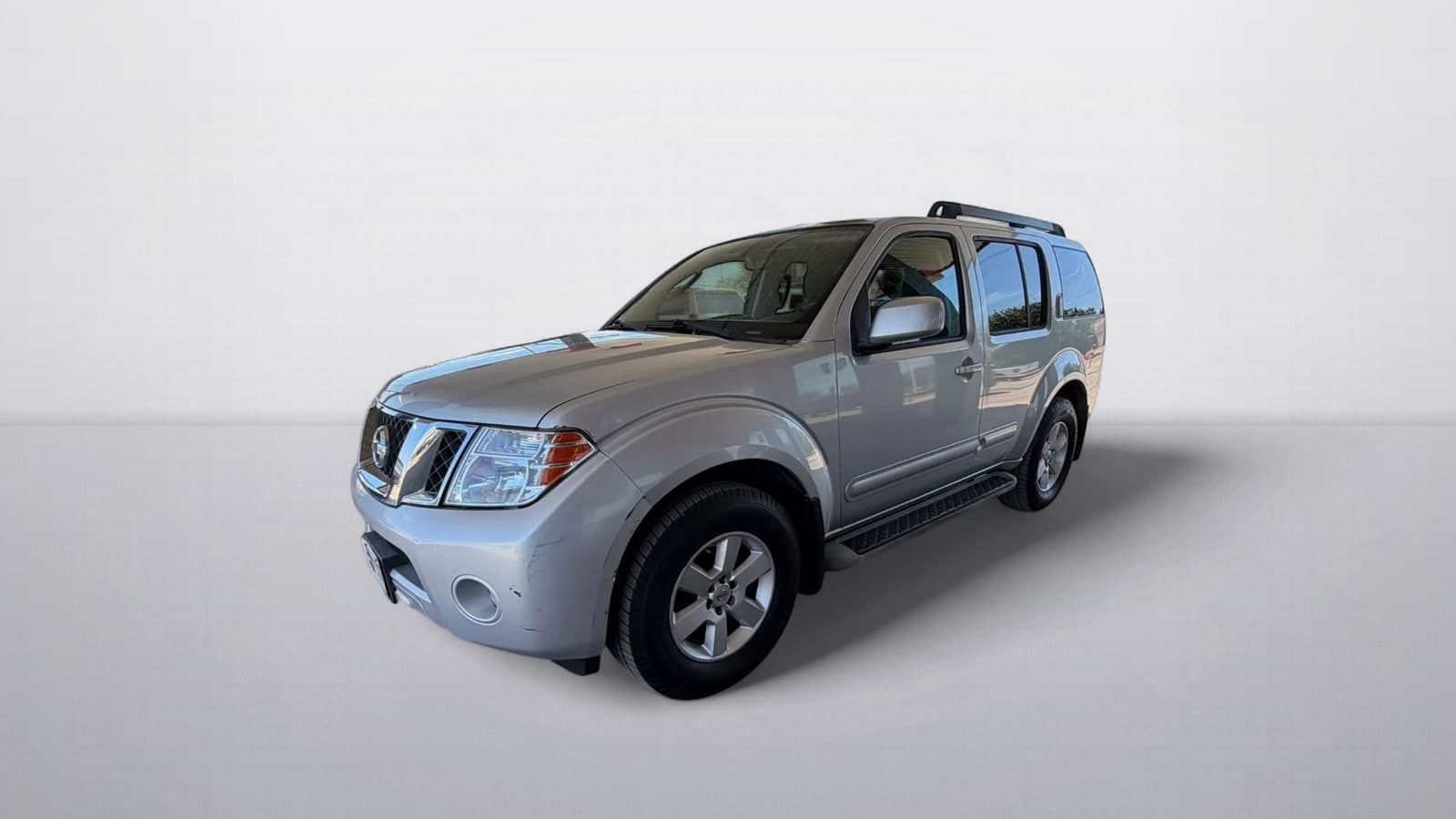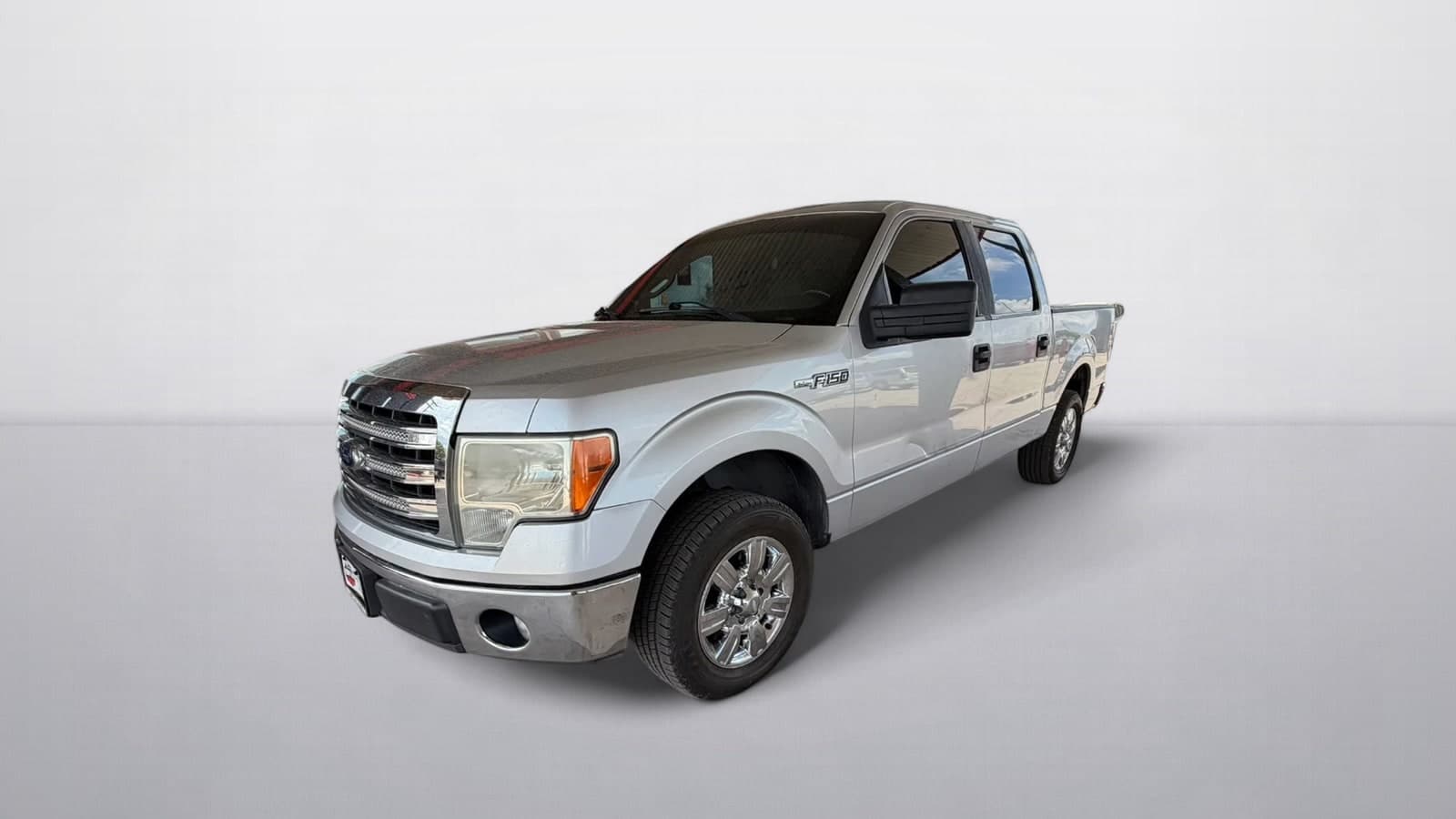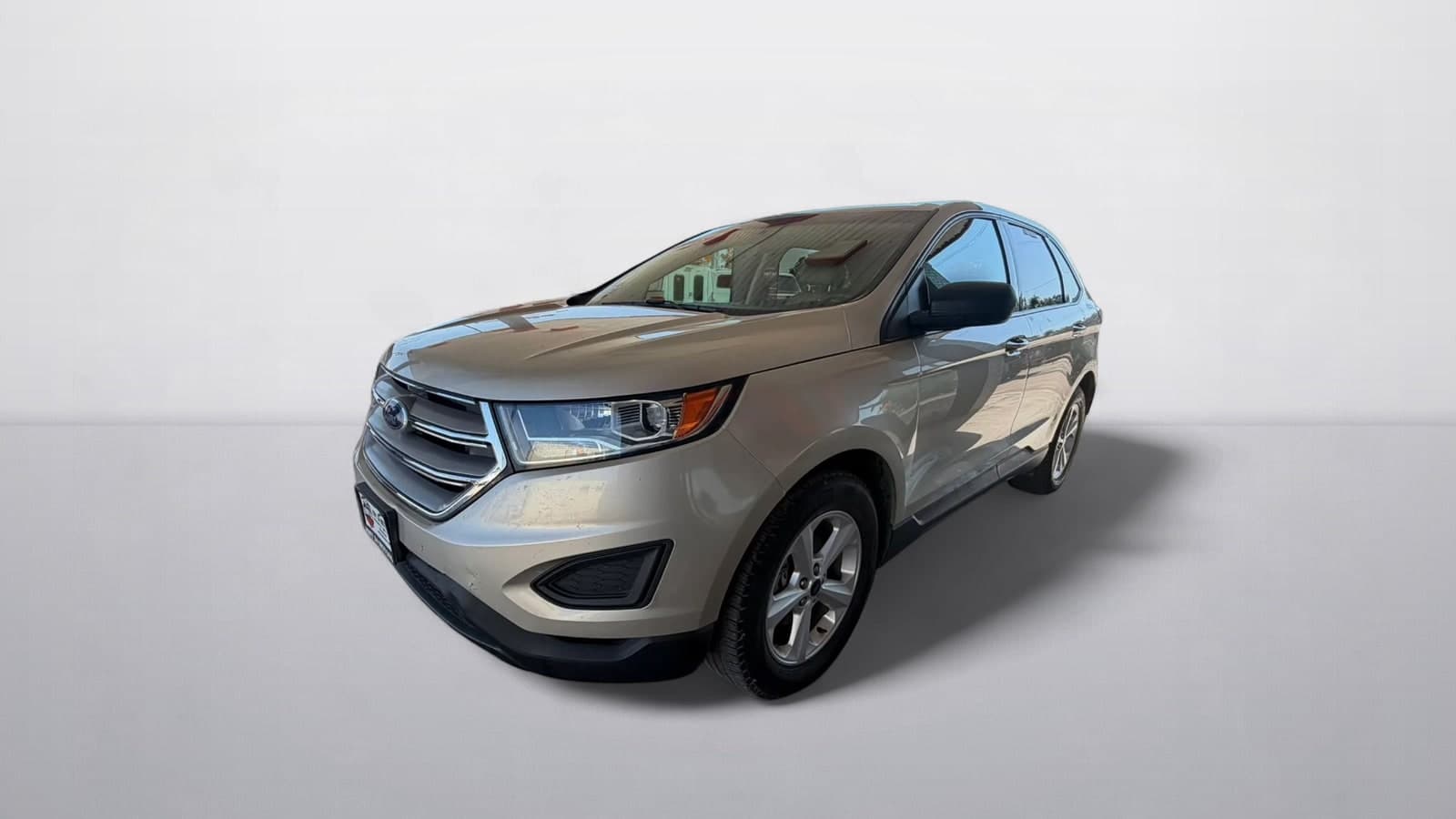
Every spring, business picks up, and it isn’t a mystery why. For a lot of Big Country households, the tax refund is the largest single check of the year - and it arrives ready-made to do the one job that improves a car deal more than anything else: the down payment.
This article covers the money side plainly - what a bigger down payment changes, what a refund advance is and isn’t, and how to have the purchase lined up before the deposit lands. One thing to say up front: we sell cars, not tax products, and nothing here is tax advice.
Why refund season is car season around here
A down payment is the hardest part of a car purchase to save for out of a normal paycheck, which is why so many purchases wait for February and March. When shoppers from Tuscola, Winters, Coleman, and Ballinger show up at our locations holding a refund, they’re not splurging - they’re using the one lump sum the calendar reliably hands them.
It shows in the questions we get too. From late January on, the calls shift from “what do you have” to “what can I get with this much down.”
What a bigger down payment changes
Money down works on a loan from three directions at once.
- It shrinks the amount you finance, so you pay interest on less.
- It pulls the monthly payment down on the same vehicle and term.
- It widens what you can shop for, since vehicles that were out of reach on payment alone come back into range.
Refund versus refund advance, in plain words
A tax refund is your own money coming back from the IRS after your return is processed. A refund advance is a loan a tax-preparation company makes against that expected refund, so you get some of it sooner - usually with conditions attached, and sometimes with costs.
Whether an advance makes sense depends on the terms your preparer offers, and that’s a question for them, not for a car dealer. Talk to your tax preparer about how their advance works, what it costs, and when the actual refund would arrive without it. Hwy 84 Motors doesn’t offer refund advances or any other tax product - our part of this is the vehicle.
The practical difference for a car purchase is mostly timing. An advance can move your buying date up a few weeks. Waiting for the real refund means the full amount, on the IRS’s schedule.
Line up the purchase before the money lands
The refund’s arrival date is the one part you can’t control, so control the rest. Nothing about getting ready to buy requires the cash in hand:
- Apply for financing online with the down payment you’re expecting - the form has a field for it.
- Shop the current inventory and shortlist two or three vehicles, not one.
- Apply for in-house financing before you shop your shortlist.
- Get the out-the-door number on your favorite, so you know exactly what the refund needs to cover.
Plan around the out-the-door number
Before the refund lands, get the out-the-door price on the vehicle you want.
Plan the refund against that figure, not the sticker, or the tax-and-title portion quietly eats the down payment you thought you had. On most used vehicles the difference is a few hundred dollars, and it’s exactly the kind of surprise a little planning deletes.
If the timing doesn’t work out
Refunds run late, amounts come in smaller than the estimate, life intervenes. If the check lands short of your plan, you still have moves: pick from the shortlist instead of the favorite, or add a trade-in to the down payment. The selling guide covers how we value a vehicle, and the We Buy Cars form starts the offer.
And if this season doesn’t work at all, the math will still be true next year. Call 325-480-2444 when you’re ready and we’ll pick it up from there.
Apply for financing before you shop
Applying online takes a few minutes. Financing is subject to approval.
Apply Now