Around Abilene a pickup is the family car, the trailer puller, and the ranch tool all at once, and the used market prices trucks accordingly. Buying one well comes down to three things: knowing what the truck was built to do, learning what its last owner actually did with it, and being honest about which of those matches your own week.
This guide walks the decision in order - weight class, cab and bed, gas versus diesel, the inspection, mileage, towing history, and finally the money. None of it takes a mechanic’s eye. It takes a list, and this is the one we use.
Match the truck to the work
The first question isn’t brand. It’s weight class, because that decides everything downstream: price, fuel, ride, and what the truck can pull.
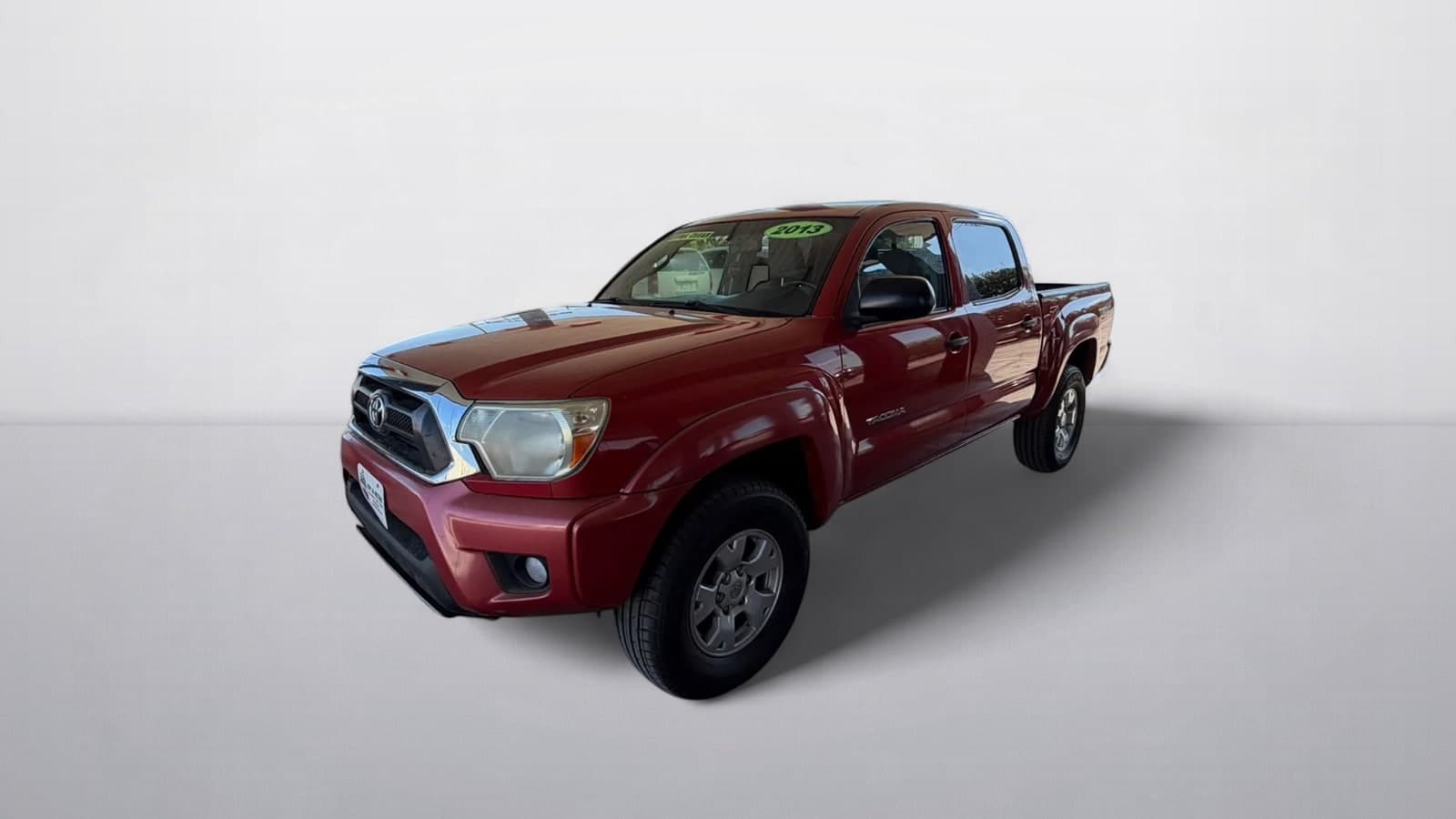
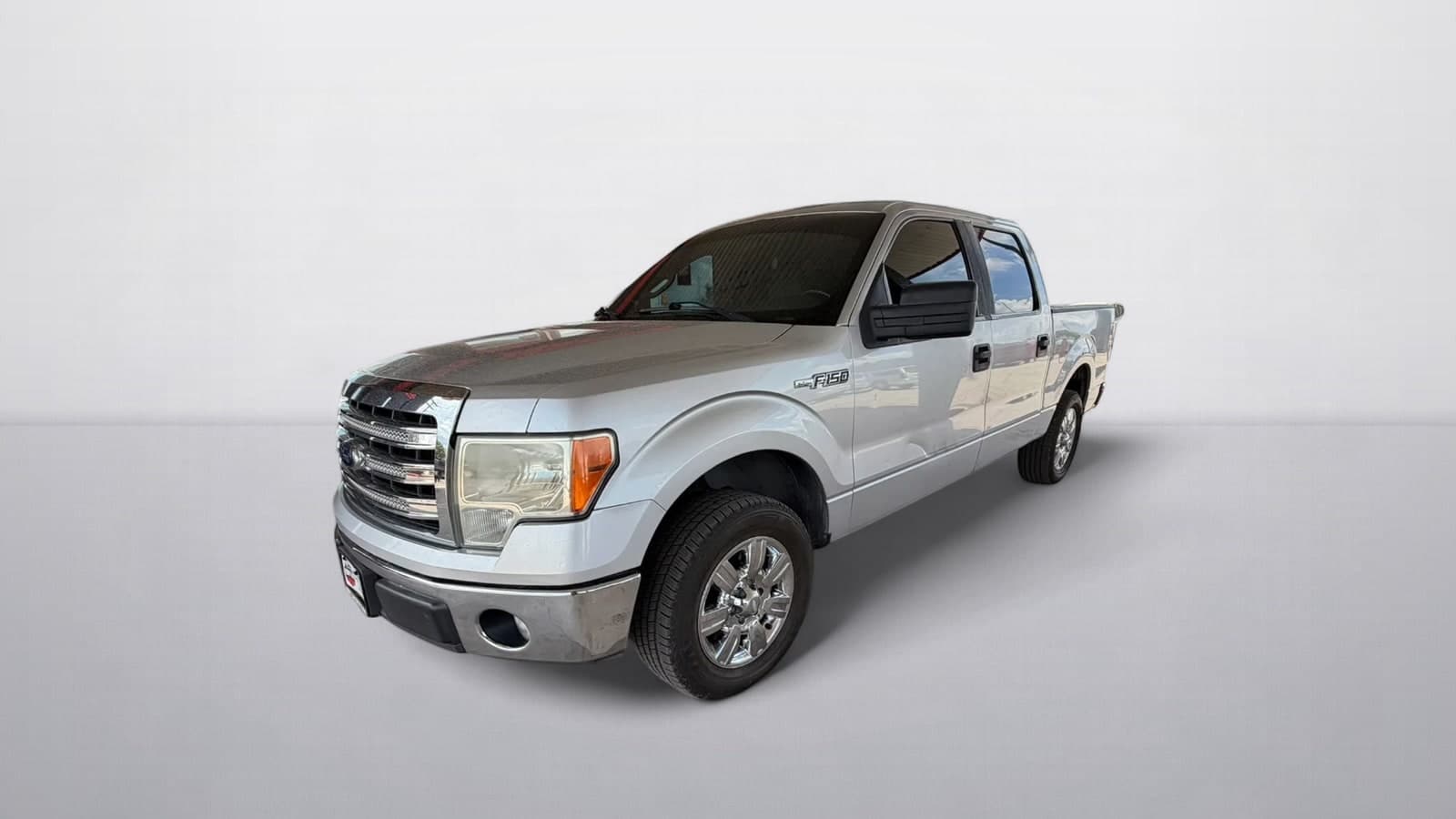
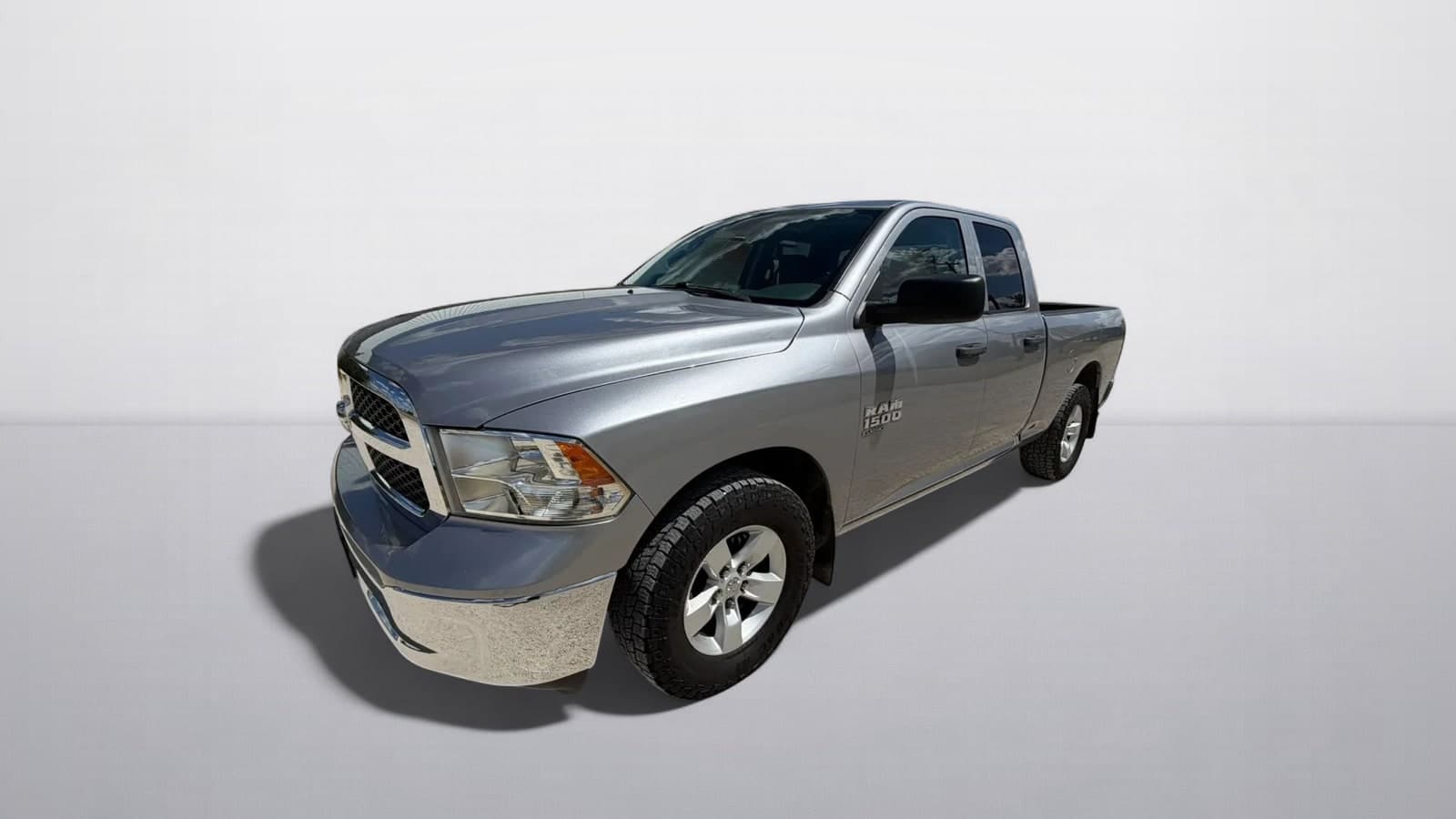
Half-ton trucks - the F-150, Silverado 1500, Ram 1500, and Tundra class - are the everyday pickups. As general model knowledge, a modern half-ton handles commuting, family duty, a bed full of feed, and a reasonable trailer without complaint, and it rides close enough to an SUV that plenty of people run one as their only vehicle. For most buyers around here, a half-ton is the answer.
Three-quarter-ton and up - the F-250 and 2500-series and heavier - exist for sustained work: gooseneck trailers, equipment, daily ranch duty. They cost more to buy, ride stiffer when empty, and drink more fuel. If you tow heavy on a regular basis they earn every penny. If you don’t, you’re paying for capability that never leaves the driveway. Be honest about which buyer you are before you fall for the biggest truck on the row.
Cab choices in plain words
Cab and bed decide who and what the truck carries, and on a given truck they mostly trade against each other. Cab first, since passengers complain louder than cargo does.
- Crew cab - four full doors and a back seat adults can actually ride in. It’s the family configuration and the most common one you’ll find used, which also makes it the easiest to sell on later. The usual trade is a shorter bed.
- Extended cab - smaller rear doors, often rear-hinged, with a tighter back seat. It works for kids, dogs, and tool bags, and it typically costs less than a crew cab with the same miles.
- Regular cab - two doors and a bench. The classic work truck. It’s the least money, pairs with the longest beds, and is getting scarce in the used market because fleets tend to run them until they’re done.
How much bed you actually need
Bed lengths generally come in three sizes: short at around five and a half feet, standard around six and a half, and the eight-foot long bed. The exact figures vary by brand and generation, so check the specific truck rather than assuming.
A short bed parks easier and, with the tailgate down, still hauls most of what most people carry. The long bed takes plywood and pipe lying flat and earns its parking-lot hassle if you load it every week. The standard bed splits the difference, which is why so many trucks wear one. Think about what you loaded last year, not what you might load someday.
Gas or diesel, honestly
Diesel has a mystique in truck country, and some of it is earned. As a general matter, diesel engines make their torque low in the rev range, which is exactly what pulling a heavy trailer wants; they tend to do better on fuel under load; and they have a reputation for long service lives when the maintenance is kept up.
The honest other half: used diesels cost more to buy, and they cost more to keep. Oil changes run bigger, fuel system parts are pricier, and newer diesels carry emissions equipment - DEF systems and the like - that adds its own maintenance line. A neglected diesel is a far more expensive problem than a neglected gas engine, which is why the service records matter double here.
Gas trucks are the simpler bet. A strong gas V8 or six tows more than most people ever ask of it, parts are everywhere, and any shop in town can work on one. The rule of thumb we’d offer: if you tow heavy every week, the diesel earns its cost; if you tow a few weekends a year, buy the gas truck and pocket the difference. If engines are the part you enjoy, our note on the Ford 5.0 in used F-150s covers the V8 that truck buyers ask for by name.
What to check on any used truck
Trucks get used. That’s the point of them, so the inspection comes down to one question: did the owner keep up with the work the truck did? Miles matched by maintenance is what you want. The broader routine of budget, history, test drive, and inspection is in our seven steps for buying a used car; what follows is the truck-specific layer on top, and most of it you can check yourself:
- Bed and frame. Scratches and dents in the bed are honest wear. Rust-through, a kinked frame rail, or a fresh spray-in liner on an otherwise rough truck are worth harder questions.
- Hitch wear. A scored hitch ball, a worn receiver, and trailer wiring tell you the truck towed regularly. That’s not a strike against it - just make sure the price and the service records reflect that life.
- Tires. Uneven wear points at alignment or suspension trouble. Check that all four match, too; mismatched tires on a 4x4 cause problems of their own.
- Four-wheel drive. Work it in and out of 4Hi at low speed on the test drive, listening for grinding and watching for lights. On pavement-only trucks the system can sit unused for years, and unused isn’t the same as healthy.
- Service records. The VIN is on every listing on this site, so pull a history report before you drive out. Steady oil changes and fluid services matter more on a truck that towed than on one that commuted.
- The drive itself. Trucks hide problems when they’re empty. Pay attention to how it shifts, brakes, and tracks at highway speed, and listen for driveline clunks as you get on and off the throttle.
Mileage in context
Truck shoppers fixate on the odometer, and the odometer is the least complete number on the listing. A hundred thousand highway miles - long, easy, warmed-up miles - can wear a truck less than sixty thousand miles of short trips and loaded trailer drags.
That’s why condition and records beat mileage alone. A higher-mile truck with a folder of service history and a solid test drive is often the better buy than a low-mile truck with no story. Use the mileage to set the price conversation, not to make the decision for you.
There’s no magic cutoff, either. A maintained modern truck routinely outlasts the number that used to retire one - a general observation, not a promise about any particular truck, and one more reason the records are worth more than the digits on the dash.
Towing questions to ask
If the truck is going to pull something, ask the questions that surface its towing history and its equipment. A truck that towed isn’t damaged goods - trucks are built for it - but you want the story to be known and priced in:
- What did it tow, and how often? A boat a few weekends a year and a loaded stock trailer every week are two different lives.
- Does it have the factory tow package? Factory packages typically bundle the hitch, wiring, and cooling upgrades - confirm it on the decoded equipment list on the vehicle page rather than taking a sticker’s word for it.
- Is there a trailer brake controller, factory or added on? If it was added, ask who wired it.
- Did the maintenance follow the towing? Many owner’s manuals run a shorter severe-duty schedule for trucks that tow, so the fluid changes should come up more often in the records.
How to read a truck listing on this site
Every truck is on the used trucks page, fed from the live inventory. The card gives you the fast facts - price, mileage, VIN, and the engine and drivetrain when the data is available - which is enough to spot the V8 4x4s at a glance. Call ahead on the one you want, and we’ll have it ready at whichever of our two locations - 6424 US Highway 84 in Lawn, just south of Abilene, or 2609 S 1st Street in Abilene - works best for you.
Click through to the vehicle page and you get the decoded factory equipment - the build sheet in plain English. That’s where you confirm things like the tow package instead of guessing from photos. If a truck looks right, send an inquiry from that page or call 325-480-2444. We’re open Monday through Friday 9 to 4, with Saturdays by appointment.
The money part
The out-the-door price is the figure to compare between trucks and between dealers, because a low sticker with fees stacked on top isn’t actually low.
On financing, you have options. We offer easy in-house financing - our team works with you directly to get you approved and on the road. You don’t need perfect credit to apply. The full picture is on the financing page, with more detail in our guide to getting ready for truck financing and a plain answer to the down payment question. Financing is subject to approval. Terms vary by applicant and vehicle.
Applying online takes a few minutes. Financing is subject to approval. And if the budget has a hard ceiling, the trucks under $20,000 page filters the live inventory down to what fits under it.
Frequently asked questions
How many miles is too many for a used truck?
Should I buy a diesel if I only tow occasionally?
How can I tell if a used truck was used for towing?
What does the out-the-door price include at Hwy 84 Motors?
See what’s in stock
Trucks, SUVs, and Jeeps in our inventory, with engine and drivetrain on every card.
Browse Inventory